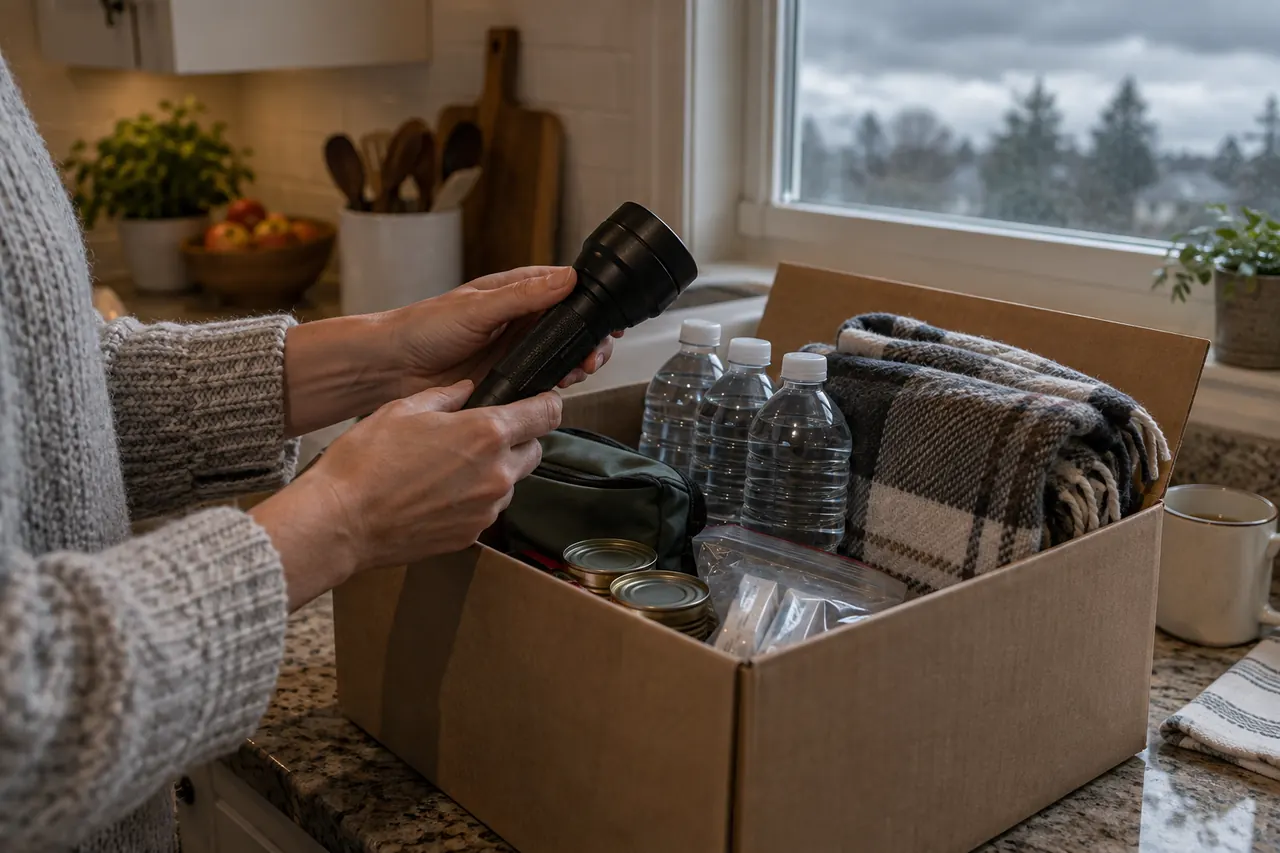
The first things to do.
Check your people.
Identify anyone who needs help, especially someone relying on powered medical equipment. Use their established backup plan.
Use battery lighting.
Choose a flashlight or battery lantern instead of candles. Keep a light within reach.
Check official updates.
Report the outage to your utility. Check its updates and local alerts for instructions.
Keep cold air in.
Leave refrigerator and freezer doors closed. Note when the outage began.
Sources: American Red Cross: power outage planning ↗ · CDC: power outage safety ↗ · CDC: food after an emergency ↗
Is home still a safe place?
These are decision prompts, not a clearance to stay. Reassess as conditions change.
- Immediate danger?Get to safety. Follow emergency instructions and call 911 when needed.
- Essential power at risk?Put your medical backup plan into action. Do not wait for a device battery to run out.
- Unsafe heat or cold?Arrange a safe route to a suitable heated or cooled location.
- Needs currently met?Monitor conditions and official updates. Keep your departure plan ready.
Sources: American Red Cross: power outage planning ↗ · CDC: power outage safety ↗
The fridge clock starts now.
These are approximate cold-holding windows, not guarantees. Arrange ice or another cold source before the refrigerator window ends. Never taste food to test safety.
See the full temperature and food guidance →Sources: CDC: food after an emergency ↗
Make the plan fit your household.
Apartment or small home
Know your building’s exit routes and how to get help if lifts stop. A balcony is not a suitable shortcut for placing a fuel generator near homes. Keep supplies accessible and manageable.
Children, older adults, or someone who needs assistance
Agree who will help, who will check in, and how to leave if necessary. Write essential contacts on paper.
Pets
Include food, water, medicines, carriers or leashes, and a destination that accepts them.
Medical equipment or refrigerated medicines
Confirm equipment compatibility, backup duration, medicine-storage limits, and when to relocate with your care team, pharmacist, and manufacturer. General battery estimates are not a medical backup plan.
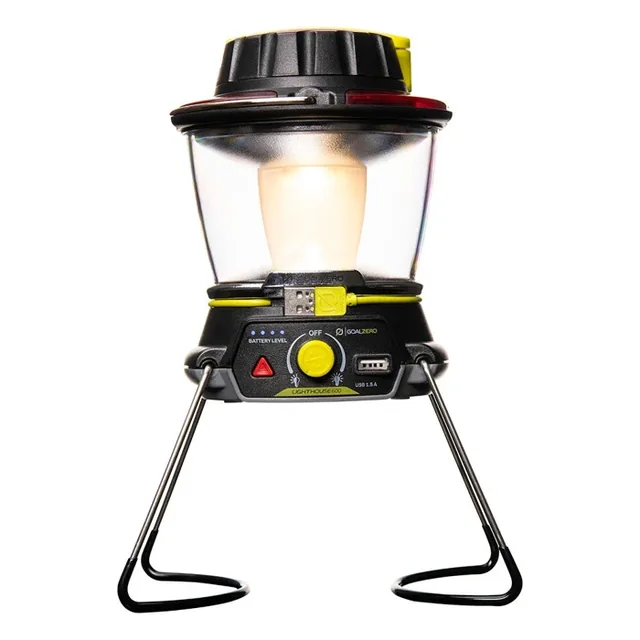
Area lighting has a different job.
A lantern can light a shared table while a headlamp keeps your hands free. Choose the job you need covered first.
See three lighting recommendations
Shown: Goal Zero Lighthouse 600. Manufacturer product photo.
Fuel generators stay outside.
Outside. At least 20 feet from homes.
Direct exhaust away from buildings. Keep generators at least 20 feet from doors, windows, and vents. Never run one in a home, garage, or enclosed area, even with doors open. Use battery-backed CO alarms.
Never use a gas oven, charcoal grill, or camping stove to heat your home.
Sources: CPSC: carbon monoxide prevention ↗ · CDC: power outage safety ↗
Your outage supplies, organized.
Check what is ready, then use the gaps as your next shopping list. These are preparation categories, not a readiness score.
01
Light
Keep a working light in a consistent place.
02
Contact
Locate your phone charging setup and contacts.
03
Next step
Know when and where your household would relocate.
0 of 8 preparation categories checked. Checkmarks save in this browser.
Spend on the gap you actually have.
| Need | Budget approach | Useful upgrade |
|---|---|---|
| Light | Use a dependable flashlight; stock compatible batteries. | A headlamp for hands-free tasks, plus an area lantern. |
| Phone charging | A compatible power bank and cable. | More capacity or additional charging ports when your devices justify it. |
| Longer backup | Write down essential loads first. | A properly sized power station, with a realistic recharging plan. |
COMPARE OPTIONS
Choose emergency lighting
Practical tradeoffs without an oversized shopping list.
Open guide
BEFORE YOU BUY
Choose backup power
Understand what a battery can actually do.
Open guideResearch-based product recommendations are available through the comparison links above. We have not personally tested these products. As an Amazon Associate I earn from qualifying purchases.
When power returns.
Check food against temperature guidance before eating it. Replace used supplies, recharge batteries, and note one thing to improve in your plan. Have damaged electrical equipment checked by a qualified professional.
Sources: American Red Cross: power outage planning ↗ · FoodSafety.gov: item-by-item food charts ↗