Power & light
A bedside power-outage kit: keep the first few things within reach
A small, familiar setup for finding light and your everyday essentials when the room goes dark.

Give your light a permanent home
A flashlight in a crowded kitchen drawer may be useful later, but it is not within reach when you wake up. Choose a consistent bedside location for a battery flashlight you can operate comfortably. The Red Cross recommends flashlights instead of candles during outages.
Our suggestion: use a small tray or one clear section of a drawer. You do not need a special survival pouch. The useful feature is knowing where things are.
If you need a light, compare lighting options by task. Start with a suitable light you already own; buy only to fill a gap.
Keep it personal and uncluttered
- See: your working battery light and glasses, if you use them.
- Communicate: your usual phone location and a written contact card.
- Move: the everyday mobility items you use, in their familiar accessible places.
Arrange the setup around your own reach and routine. Keep the floor and exit route clear. Store spare batteries securely away from children; follow each device’s instructions. Avoid filling the tray with equipment you do not know how to use.
Try it while the room is still lit
From your normal position, check that you can reach the light and work its switch. There is no need to switch off the home’s power or practice walking in darkness. Ask each person what would make their own setup easier to use.
This is not a medical backup-power plan. People using essential powered equipment need arrangements with their care team and equipment provider. If there is fire, an alarm or an instruction to leave, follow your emergency plan rather than gathering this kit.
Your next small task: choose the light’s home tonight, then put it back there after every use.
Sources checked September 10, 2026. General preparedness information, not individualized emergency or medical advice. Follow current local instructions. Our editorial approach.
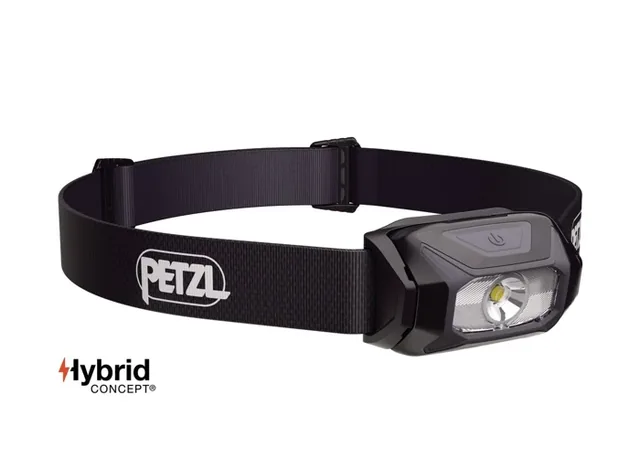 Petzl TIKKINA
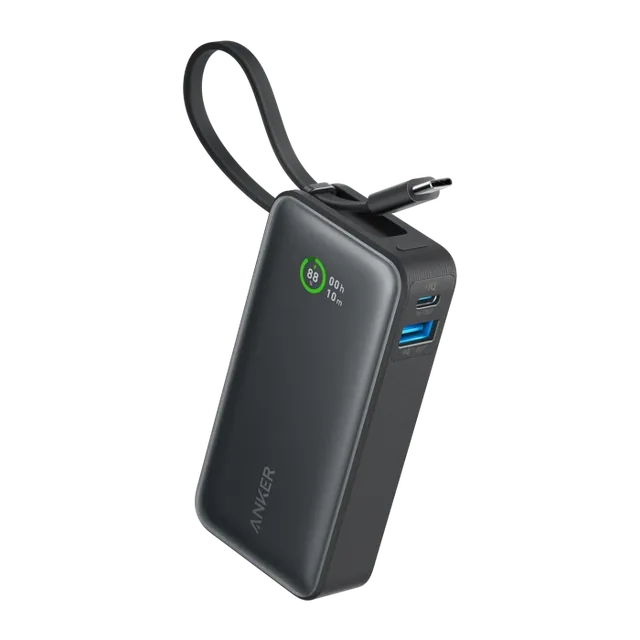 Anker Nano A1259