PRACTICAL OUTDOOR SKILLS
Basic bushcraft for everyday outdoor confidence
Start with shelter, familiar tools and a short practice session close to home.

Learn a useful task before adding equipment.
Basic bushcraft belongs alongside household preparedness when it helps you stay dry, use your supplies and make sensible outdoor decisions. Begin in daylight, in ordinary weather, with a straightforward way home. There is no need to begin with remote overnight trips, wild-food gathering or elaborate shelters.
Four skills worth practicing.
| Skill | First practice | You are ready to move on when… |
|---|---|---|
| Put up shelter | Pitch your tent or tarp in a permitted place close to home. | You can secure it, adjust it and pack it away without missing parts. |
| Use your water plan | Find and read your treatment instructions; practice setup with clean water. | You know which hazards the method treats and what its limitations are. |
| Manage light and tools | Fit your headlamp and learn the controls; inspect an ordinary cutting tool. | You can find the equipment and use it with control. |
| Plan a permitted fire | Read the local rules and rehearse preparation and extinguishing. | You know when to choose a no-fire meal instead. |
A 30-minute beginner session.
- First 5 minutes: check weather, permission and the way back; tell someone your plan.
- Next 15 minutes: pitch the shelter you own and try its doors, vents and attachment points.
- Next 5 minutes: locate water, a light, rain protection and an extra layer.
- Final 5 minutes: pack everything, inspect for damage and write down one task to practice again.
This is a suggested learning exercise, not a readiness test. Keep children supervised and stop if conditions change.
Choose your next guide.
Tent, tarp and emergency shelter basics · Campfire preparation and extinguishing · Knife care · Water treatment
Keep your wider outdoor plan.
Carry the essentials for the trip, including navigation, extra food, water, clothing, light and emergency shelter. Practice should add familiarity with that equipment. It should not become a reason to leave it behind. Reference: National Park Service Ten Essentials.
Prepared September 10, 2026. Research-based educational guidance; no hands-on testing claimed. Follow current official instructions and the requirements for your exact equipment and property.
Equipment that supports this plan
Start with what you own. These options address different jobs; use the linked comparisons to choose among alternatives.
A simple hands-free light for finding supplies or moving around the home.
The rechargeable CORE battery costs extra. Maximum brightness has a shorter runtime.
Details and source
The rechargeable CORE battery costs extra. Maximum brightness has a shorter runtime.
Manufacturer / product details ↗ (opens in a new tab)Compare the exact version against the job you need it to do.
Check exact model, compatibility and included equipment before buying.
Details and source
Check exact model, compatibility and included equipment before buying.
Manufacturer / product details ↗ (opens in a new tab)
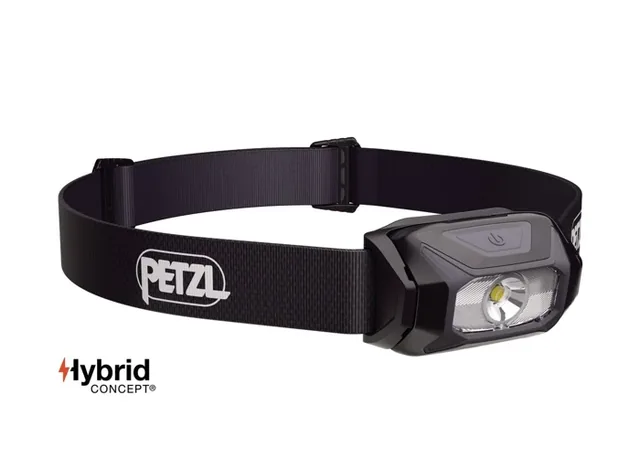 Petzl TIKKINA
 Sawyer Squeeze SP129 kit with two 32-oz pouches
Some product links may earn a commission. Affiliate disclosure.