A place to cool down
Identify an air-conditioned location and a way to get there.
SHELTER & TEMPERATURE · PRACTICAL PREPAREDNESS
When indoor conditions become unsafe, the useful upgrade is often somewhere else to go.
01
Monitor indoor conditions and official instructions.
02
Account for individual temperature and medical needs.
03
Know where you can go and how you will get there.
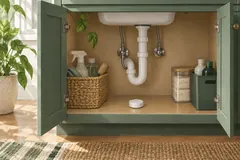
HOUSEHOLD SAFETY
Check coverage and choose equipment that fits your home.
Check your home →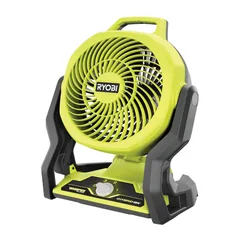
HOT WEATHER
Know when to move to air conditioning and what fans can do.
Read guide →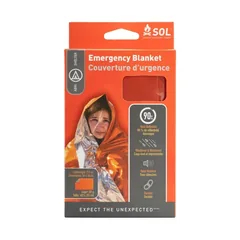
COLD WEATHER
Use layers and a relocation plan without adding indoor fire risks.
Read guide →Identify an air-conditioned location and a way to get there.
Know where you could stay if heat is unavailable for an extended period.
Include pets, mobility needs, and care equipment.
Ask someone to check on people who may need help relocating.
TEMPORARY INDOOR SLEEPING
Before buying anything, check spare beds, bedding and floor space at your agreed backup destination. If you need an extra bed for visiting relatives or a temporary stay with friends, an air mattress can be a useful addition.
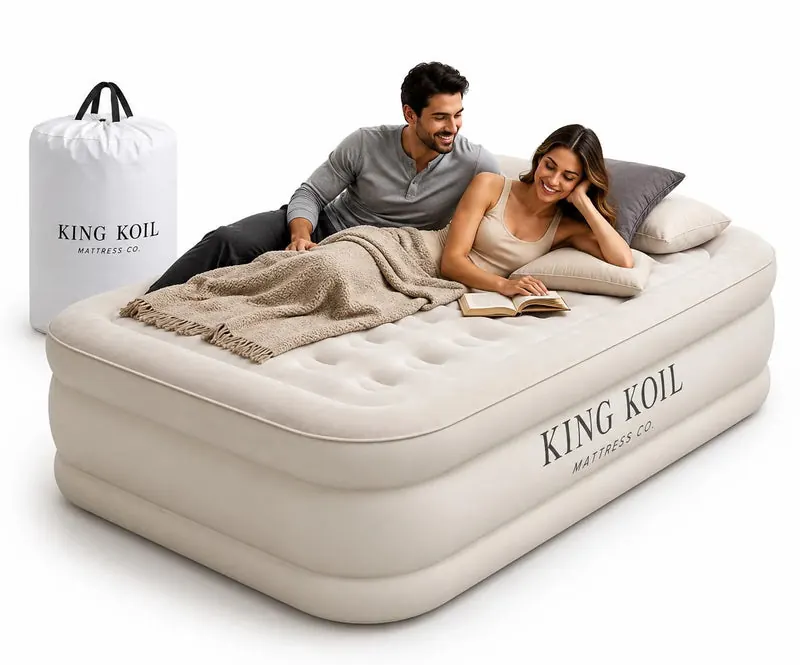
Good fit: an extra indoor bed where household electricity is available. Choose the size and height that fit the room and the person using it.
Power requirement: the manufacturer lists a 120V / 210W built-in pump. Plan how you will inflate it; this is not a go-bag item or a power-free sleeping solution.
Tradeoff: it needs clear floor space and can lose air or develop a puncture. Keep ordinary bedding ready and try the setup before you need it.
View sizes and details at King Koil Airbeds ↗
Manufacturer photo; shown configuration may differ from the size or color you select. Details checked September 17, 2026. Not hands-on tested by Survivor Ready. Manufacturer link opens in a new tab.
Sources checked September 10, 2026. Survivor Ready uses AI-assisted drafting and illustrative imagery. This guide has not received independent expert review. Follow local emergency instructions. General information does not replace advice tailored to your household.
PRACTICAL SKILLS
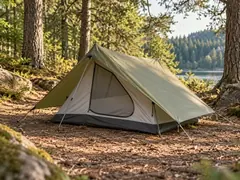
Learn to use portable shelter before trying to build one from natural materials.
Open guide →
HOME SHELTER
Understand the job, site requirements and questions to ask a specialist.
Open guide →