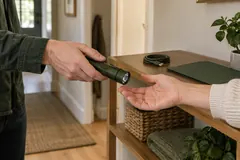
Keep a current list
Record medicine names, strengths, prescribed schedules, allergies, pharmacy, and prescriber contacts. Keep a secure paper copy.
FIRST AID & HEALTH · PRACTICAL PREPAREDNESS
Prepare the information and storage arrangements your pharmacist will need to help you.

Record medicine names, strengths, prescribed schedules, allergies, pharmacy, and prescriber contacts. Keep a secure paper copy.
Ask your pharmacist about a reasonable emergency supply and how to obtain refills if access is disrupted.
Follow each medicine’s labeled temperature and light requirements. Make a specific plan for refrigerated products.
Keep needed medicines and care supplies on your departure list, with original identifying labels where practical.
Ask your pharmacist how your exact medicine should be packed, monitored, and handled if refrigeration fails. Direct contact with frozen packs may be inappropriate for some products. Do not apply a food-safety time limit to medicine storage.
If medicine has been exposed to unusual temperatures, water, or damage, contact a pharmacist or clinician promptly for product-specific advice. Do not guess about potency or change your prescribed dose.
Arrange an individual backup plan for powered medical equipment with your care team and equipment supplier. Record where you can receive support if home becomes unsuitable.
Sources checked September 10, 2026. Survivor Ready uses AI-assisted drafting and illustrative imagery. This guide has not received independent expert review. Follow local emergency instructions. General information does not replace advice tailored to your household.
Ask your pharmacist for the storage and interruption requirements of your exact medication first. Food thermometers and general power stations are not validated medical-storage systems.