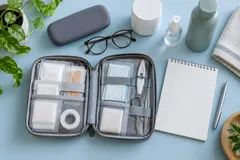
Build from what you have
Inventory existing supplies and replace missing essentials. An organized container may be all you need.
FIRST AID & HEALTH · PRACTICAL PREPAREDNESS
Start with basic supplies and good organization. Match the kit to your household and training.
| Group | Examples to check | What matters |
|---|---|---|
| Cover and protect | Adhesive bandages, sterile gauze, dressings, and tape | Appropriate sizes, intact packaging, and enough usable supplies. |
| Basic tools | Nonlatex gloves, tweezers, thermometer, first-aid instructions | Fit, readable instructions, and familiarity with use. |
| Personal items | Emergency contacts and supplies advised by your clinician | Household allergies, accessibility, and individual needs. |
| Maintenance | A contents list and a regular review date | Replace used, damaged, or expired items. |
Choose one option for each job you need covered. Tiers describe relative spending within that comparison, not a quality or safety guarantee. Reference prices, where shown, were checked September 11, 2026 before tax and shipping; they are not live Amazon prices. Sales and bundles can change the order.
Compare current contents and carry format. The higher-spend compact kit buys packaging and portability, not a promise of better medical coverage. Personal needs and training come first.
| Product and tier | Why consider it | Tradeoff |
|---|---|---|
Budget 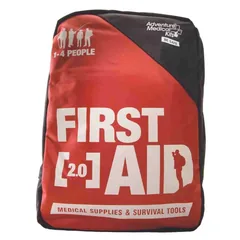 Adventure Medical Kits Adventure First Aid 2.0 (opens in a new tab) | A general first-aid starting kit to inventory and personalize. | Check current contents, expiration dates and personal requirements. |
Midrange  Adventure Medical Kits Mountain Series Hiker (opens in a new tab) | An organized alternative for carrying first-aid supplies on short outings. | Check the current contents list against the existing Adventure First Aid 2.0 before buying both; substantial overlap is possible. |
Premium 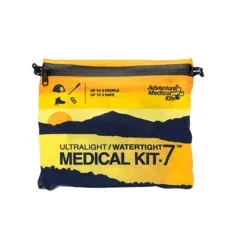 Adventure Medical Kits Ultralight/Watertight .7 (opens in a new tab) | A compact carry option with an inner protective bag for supplies. | Smaller kits require more deliberate replenishment. Confirm the current .7 contents; do not substitute .5 or .9. |
Models and features reviewed against manufacturer information on September 11, 2026. These are researched choices, not hands-on tests. Check the current product page for exact contents, fit and availability. Affiliate disclosure.
Inventory existing supplies and replace missing essentials. An organized container may be all you need.
Use a clear contents list to compare kits. Check what remains to be added for your household.
Travel, remote trips, or individual care needs may call for different supplies and training. Avoid advanced equipment you do not know how to use.
As an Amazon Associate I earn from qualifying purchases. The Amazon button opens the specific Adventure First Aid 2.0 listing. Check the exact item, seller, label, and current terms before buying. We do not display Amazon prices.
A research-based option for the stated task, not a hands-on test result or an exhaustive ranking. Confirm the model and current contents with the seller.
A kit with many tiny adhesive strips may advertise more pieces than a kit with a better range of useful supplies. Compare contents, quantities, instructions, and replacement needs rather than a headline number. Check the Red Cross reference below for its detailed household list.
Sources checked September 10, 2026. Survivor Ready uses AI-assisted drafting and illustrative imagery. This guide has not received independent expert review. Follow local emergency instructions. General information does not replace advice tailored to your household.