Treat as instructed
Boil water
Use bottled water or water treated according to the notice for drinking and food preparation. Tap-water handwashing may still be permitted; follow local instructions.
EVERYDAY HOUSEHOLD READINESS
Check the advisory, confirm toilet service and plan handwashing before supplies run short.
01
Keep drinking-water needs in the household plan.
02
Plan hand cleaning and everyday care.
03
Follow local instructions for toilets and waste handling.
Find the current notice from your water utility and check with the sewer utility, building manager or septic professional about toilet use. A drinking-water advisory does not tell you whether wastewater service is working. If toilets back up or officials say not to use them, stop using them and request local instructions. Do not assume that pouring water into the bowl solves the problem.
Choose one option for each job you need covered. Tiers describe relative spending within that comparison, not a quality or safety guarantee. Reference prices, where shown, were checked September 11, 2026 before tax and shipping; they are not live Amazon prices. Sales and bundles can change the order.
Compare a basic bucket, an enclosed removable-bucket design and a folding-leg toilet. Liners are consumables, not an alternative toilet. Follow local waste-handling instructions.
| Product and tier | Why consider it | Tradeoff |
|---|---|---|
Budget 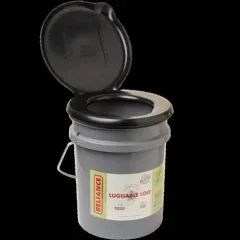 Reliance Luggable Loo, complete 5-gallon toilet (opens in a new tab) | A bucket-and-seat option for a planned temporary toilet setup. | Buy the complete toilet, not the separate seat. Manufacturer lists a 220 lb weight capacity; check suitability and local waste arrangements. |
Midrange · $46.99 at review  Reliance Hassock 2.0 portable toilet (opens in a new tab) | A more enclosed setup with handles and a removable four-gallon inner bucket. Manufacturer lists a 300 lb capacity. | Bulkier than a folding seat. Liners, hygiene supplies and locally permitted waste handling still need a separate plan. |
Premium · $51.99 at review  Reliance Fold-to-Go portable toilet (opens in a new tab) | Locking folding legs reduce storage bulk; manufacturer lists a 300 lb capacity. | Requires correct setup on stable ground and compatible waste bags. Check local disposal instructions; not a flushing toilet. |
Models and features reviewed against manufacturer information on September 11, 2026. These are researched choices, not hands-on tests. Check the current product page for exact contents, fit and availability. Affiliate disclosure.
Treat as instructed
Use bottled water or water treated according to the notice for drinking and food preparation. Tap-water handwashing may still be permitted; follow local instructions.
Use another water supply
Use bottled water for drinking and food preparation. Boiling does not remove the chemicals or toxins that may have caused the advisory. Check permitted uses individually.
Avoid tap-water contact
Avoid tap water for all purposes while the notice applies. Skin, eye or other contact may also be unsafe. Use the alternative water supply specified by officials.
Do not use the refrigerator’s connected water or ice dispenser during a drinking-water advisory. Source: CDC drinking-water advisory guidance.
Keep soap, suitable clean water and clean towels accessible to everyone. Wash after using the toilet, changing diapers or handling rubbish, and before food preparation and eating. Scrub with soap for at least 20 seconds, rinse with clean running water and dry. See CDC handwashing instructions.
If soap and water are unavailable, use hand sanitizer containing at least 60% alcohol. It is less effective on visibly dirty or greasy hands, does not remove every germ or harmful chemical, and is not a substitute for restoring handwashing access. Supervise children and follow the label. Source: CDC sanitizer guidance.
This is a planning checklist, not a universal DIY waste-handling recipe. Obtain local instructions before using a temporary system.
Soap, clean towels, sanitizer as a fallback, toothbrushes, menstrual supplies, diapers or continence supplies as needed.
A safe drinking-water reserve and familiar no-cook meals. Disposable eating supplies may reduce dishwashing when appropriate; plan for the extra rubbish.
Household cleaning products in their labeled containers, suitable gloves and waste bags. Follow product directions. Keep chemicals away from food and children; never mix cleaning products.
Floodwater or sewage contamination is a different cleanup problem. Keep people away from contaminated areas and obtain public-health or qualified cleanup guidance; this guide does not cover remediation.
Choose for the job
Confirm local toilet and waste-disposal instructions first. These items provide equipment options; they do not establish that a particular disposal method is permitted.
| Need / option | Why consider it | Tradeoff / check first |
|---|---|---|
| Reliance Luggable Loo, complete 5-gallon toilet (opens in a new tab) | A bucket-and-seat option for a planned temporary toilet setup. | Buy the complete toilet, not the separate seat. Manufacturer lists a 220 lb weight capacity; check suitability and local waste arrangements. |
 Reliance Double Doodie with Bio-Gel, six bags (opens in a new tab) | Compatible pretreated liners for a Reliance portable toilet, with an outer sealing bag. | Choose the version with Bio-Gel. Liners are consumables; permitted collection and disposal still depend on local instructions. |
| Need / option | Why consider it | Tradeoff / check first |
|---|---|---|
 Reliance Fold-A-Carrier, 2.5-gallon version (opens in a new tab) | Collapsible water carrying with a dispensing spigot for a planned handwashing station. | Choose 2.5 gallons for the smaller version. Flexible containers need protection from punctures and dedicated clean-water use. |
Use appropriate safe water and soap for handwashing. Keep the water container dedicated to clean water, separate from waste equipment. Follow the guide above for service restrictions and disposal arrangements.
Product details checked September 11, 2026 against manufacturer information. These are research-based comparisons, not hands-on tests. Exact variants, included supplies and retailer availability can change. Affiliate links may earn us a commission. How our links work.
Keep your water utility, wastewater provider or septic service, building manager and local emergency-management contact with your plan. Ask about toilet restrictions and collection arrangements before an outage.
Plan stored water · Choose no-cook meals · Use the household plan
Sources checked September 10, 2026. General planning guidance, not an individualized medical plan or sanitation engineering advice. Independent specialist review has not been completed. Current local instructions take precedence.