Food & water
Start your emergency pantry with one meal you understand
Walk through a familiar shelf-stable meal and check its water, tools and preparation needs before building a larger reserve.
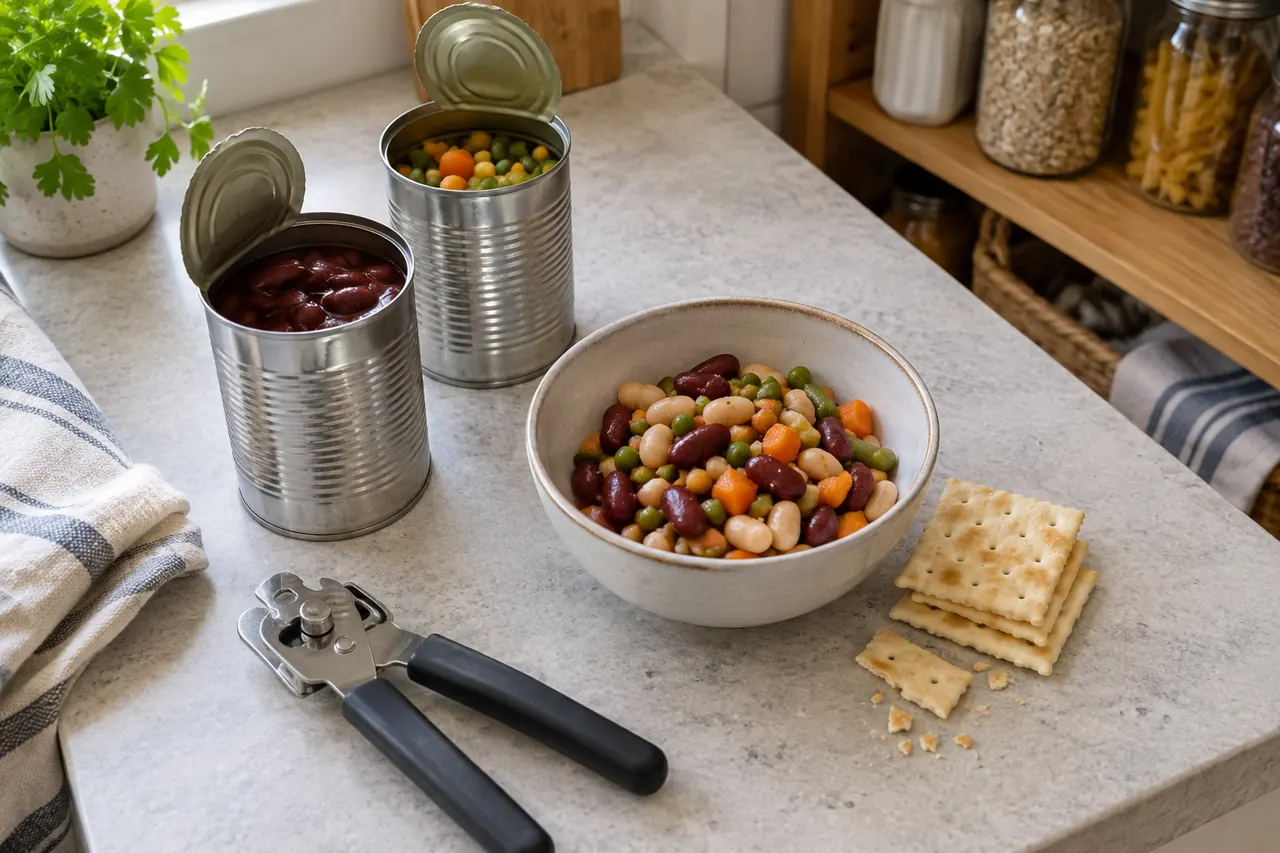
Choose a meal your household would actually eat
Before counting buckets or portions, look at the food already in your cupboard. Choose a familiar combination that fits your household’s dietary needs. For this first exercise, aim for shelf-stable products labeled ready to eat, so you can examine the plan without adding a cooking setup.
The Red Cross’s supply guidance calls for non-perishable, easy-to-prepare food and includes a manual can opener among items to consider. This one-meal exercise helps you inspect the practical details; it does not replace a household supply plan.
Follow the meal from shelf to plate
Read each package rather than assuming that all canned, dried or pouched products work the same way. Put the answers on a short note:
- Can it be eaten as supplied, or does it require preparation?
- Does it need water or heat?
- What opens the package, and what utensils are needed?
- What does the label say about storage after opening?
- Does the amount suit the people who will eat it?
Our suggestion is to place the needed opener and utensils beside the unopened food for a quick check. You might discover that the missing item is a working opener, rather than another case of cans.
Account for water and leftovers
Dry food can add preparation steps and water needs. Check those requirements alongside your household water plan. Do not assume a food reserve and a drinking-water reserve are independent purchases.
A shelf-stable package may require refrigeration after it is opened. Follow its label and use our food-safety guide for outage considerations. Smaller packages may be more practical for your household if storing leftovers would be difficult.
If a product requires cooking, that is another planning task. Outdoor fuel-burning cooking equipment must not be brought indoors; see the Red Cross’s power-outage guidance.
Build outward from what you learned
Add the identified gap to your shopping list, then review another meal when you have time. Keep a mix your household will use and replace supplies as part of ordinary pantry management.
Your next small task: choose one meal and identify everything needed to serve it. Then use the full pantry guide to plan quantities and variety. A large serving count on a product label does not tell you whether the contents suit your household.
Sources checked September 11, 2026. General preparedness information, not individualized emergency or medical advice. Follow current local instructions. Our editorial approach.
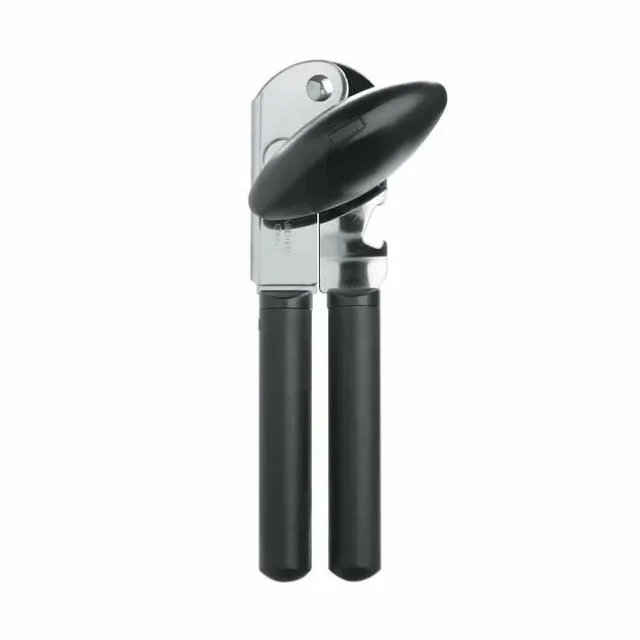 OXO Good Grips Soft Handled Can Opener