Personal safety
Firearm safety starts with the household
A calm starting point for secure storage, household responsibilities and choosing qualified instruction.
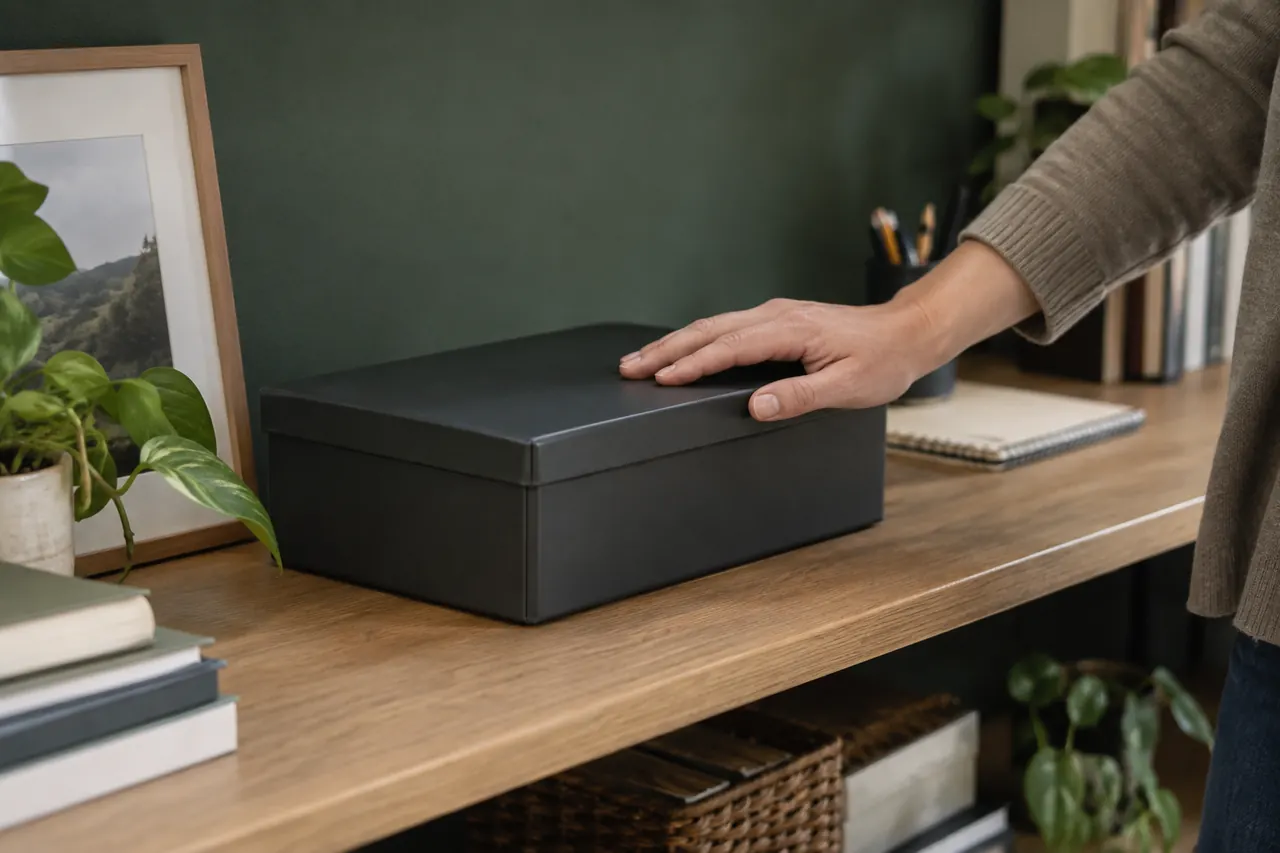
Begin with responsibilities
You do not need to own a firearm to make a thoughtful household safety plan. If a firearm is already in your home, or you are considering ownership, begin with responsibilities: preventing unauthorized access, learning from a qualified instructor and understanding the rules that apply where you live.
This section is for people who want a calm place to begin. There is no expectation to buy, carry or become comfortable faster than you are ready. Prevention, leaving a dangerous situation and getting help remain part of the wider safety plan.
Storage
Prevent unauthorized access
Plan for the people who live in or visit the home.
Learning
Choose qualified instruction
Ask how the class supports complete beginners.
Review
Revisit changing needs
Discuss changes in access, household members and wellbeing.
Make secure storage the first conversation
A hidden firearm is not the same as a secured firearm. The CDC recommends secure storage and points to guidance calling for firearms to be stored unloaded and locked, with ammunition secured separately. A safe or lockbox is intended to prevent access by children and other unauthorized people. Keeping a firearm on a high shelf or out of sight does not achieve that purpose. CDC: Preventing Firearm Injury and Death
Consider everyone who may enter the home, including visitors. Think about who can access keys, combinations and backup access methods. Follow the firearm and storage-device manufacturers’ instructions; if you are unfamiliar with the firearm, seek qualified help rather than experimenting with it.
| Household question | What to establish |
|---|---|
| Where will it be secured? | A suitable storage arrangement, used consistently. |
| Who could gain access? | Account for keys, codes, backup access and visitors. |
| Where is ammunition secured? | A separate secure storage arrangement. |
| Who needs instruction? | A qualified instructor and a beginner-appropriate learning plan. |
| What could change the plan? | Changes in household members, access or someone’s wellbeing. |
Ask questions before choosing a class
Our suggested questions for a prospective instructor:
- What current instructor credentials do you hold, and who issued them?
- Is this class designed for someone with no prior experience?
- How much attention is given to secure storage and preventing unauthorized access?
- How is supervision organized, and what should a beginner do if uncomfortable?
- Can I discuss the learning process before making a purchase decision?
Written information is a starting point, not a substitute for supervised instruction. This introduction does not teach handling, shooting, carrying or defensive tactics.
Read storage claims carefully
A storage device needs to suit the household and be used consistently. Read the exact model’s instructions and supporting evidence. Labels such as “biometric” or “fire resistant” describe particular features; they do not establish every aspect of security.
For ownership, storage, transport or transfer questions, consult current official guidance for your jurisdiction and obtain qualified legal advice when needed.
When circumstances change
Secure storage also matters when someone may be at risk of harming themselves or others. The CDC includes preventing access by people at risk as part of firearm-injury prevention. If there is an immediate threat, call emergency services. Seek qualified help with any changes to access or storage; do not assume an informal transfer is lawful or appropriate. CDC prevention resources
Your first step: discuss the storage and training plan before adding equipment.
Sources checked September 11, 2026. General preparedness information, not individualized emergency or medical advice. Follow current local instructions. Our editorial approach.